Engineering in action.
Selected development projects, research collaborations and application cases across advanced additive manufacturing.
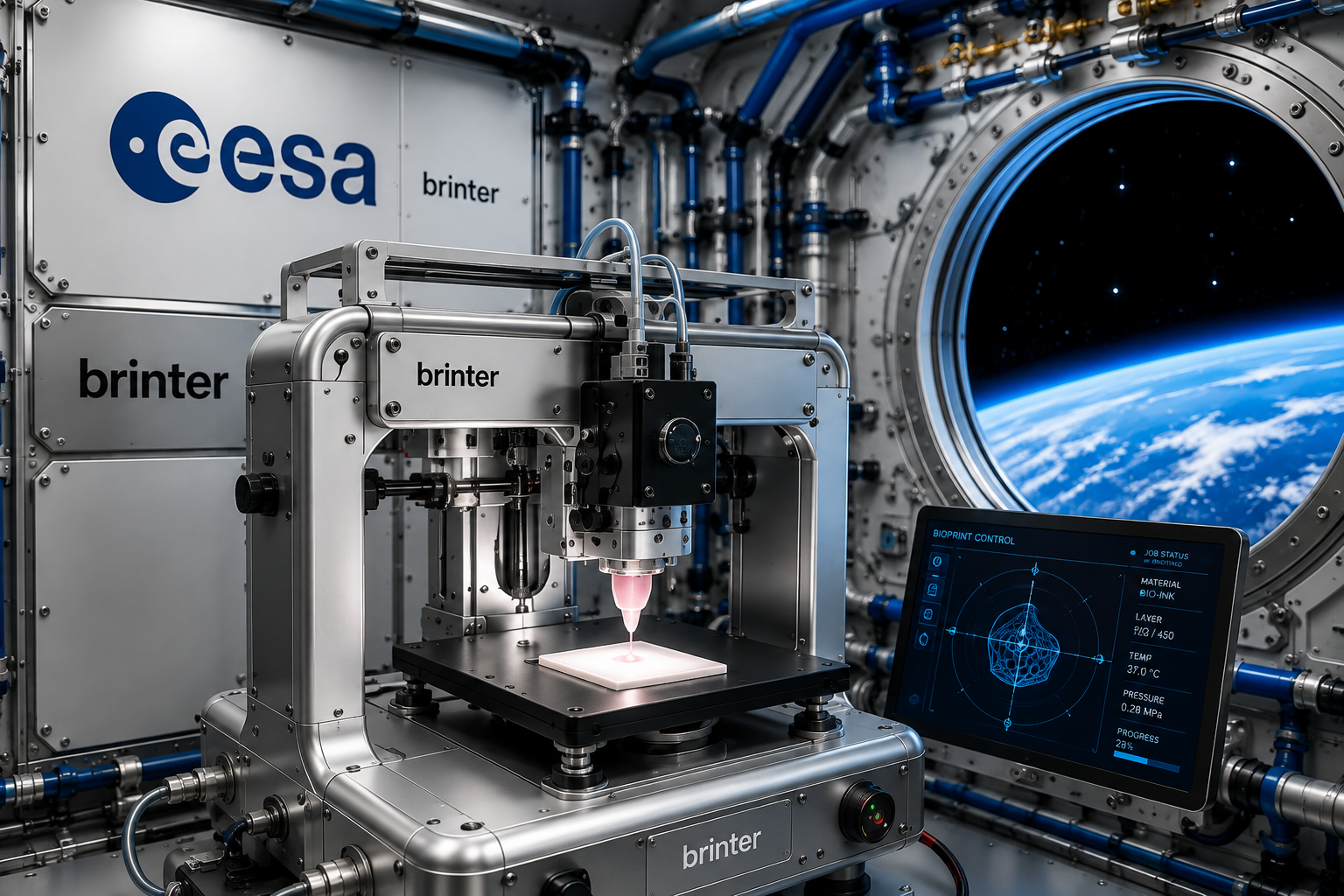
ESA 3D BioSystem & microgravity development
Brinter worked with Redwire Space NV under an ESA programme to develop and adapt bioprinting technology toward the demanding technical, safety and operational requirements of microgravity and ISS-class environments. The work focused on the technology pathway toward in-orbit use rather than a completed ISS deployment.
Visit case →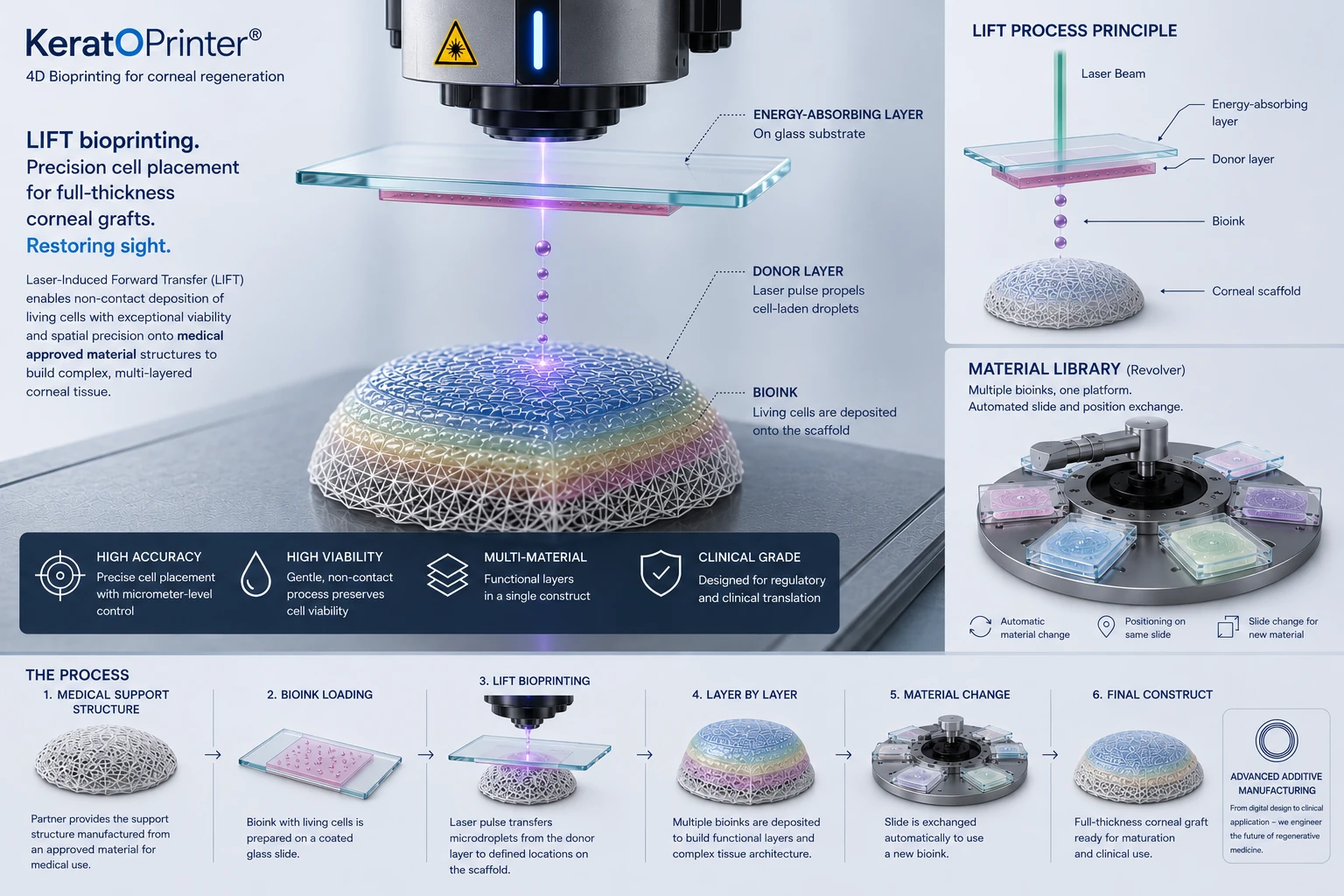
KeratOPrinter
Precision biofabrication for full-thickness corneal regeneration, combining engineered support structures, advanced bioinks and laser-assisted bioprinting.
View project →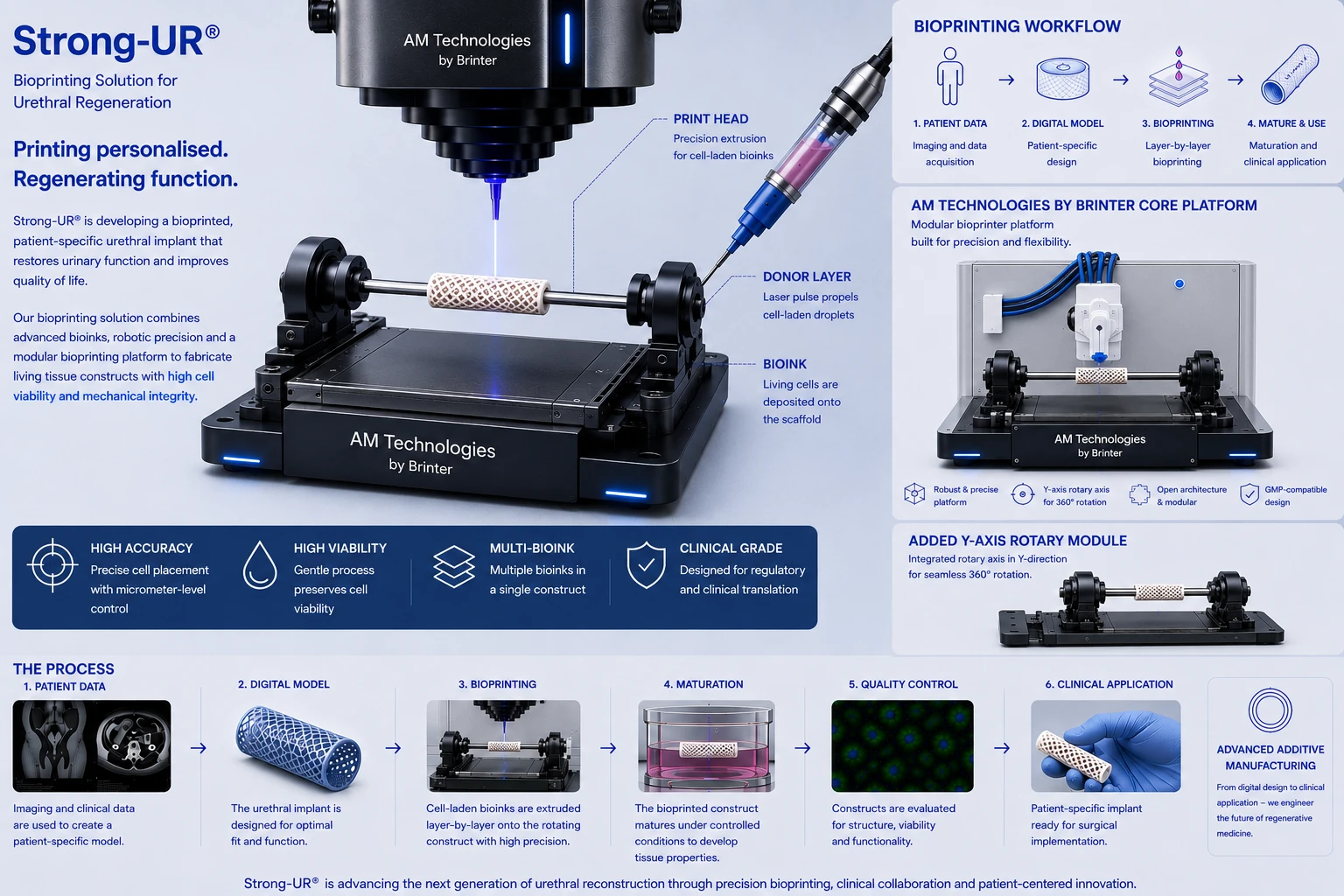
STRONG-UR
Patient-specific tubular constructs developed through controlled bioprinting, modular platform engineering and application-specific rotary manufacturing.
View project →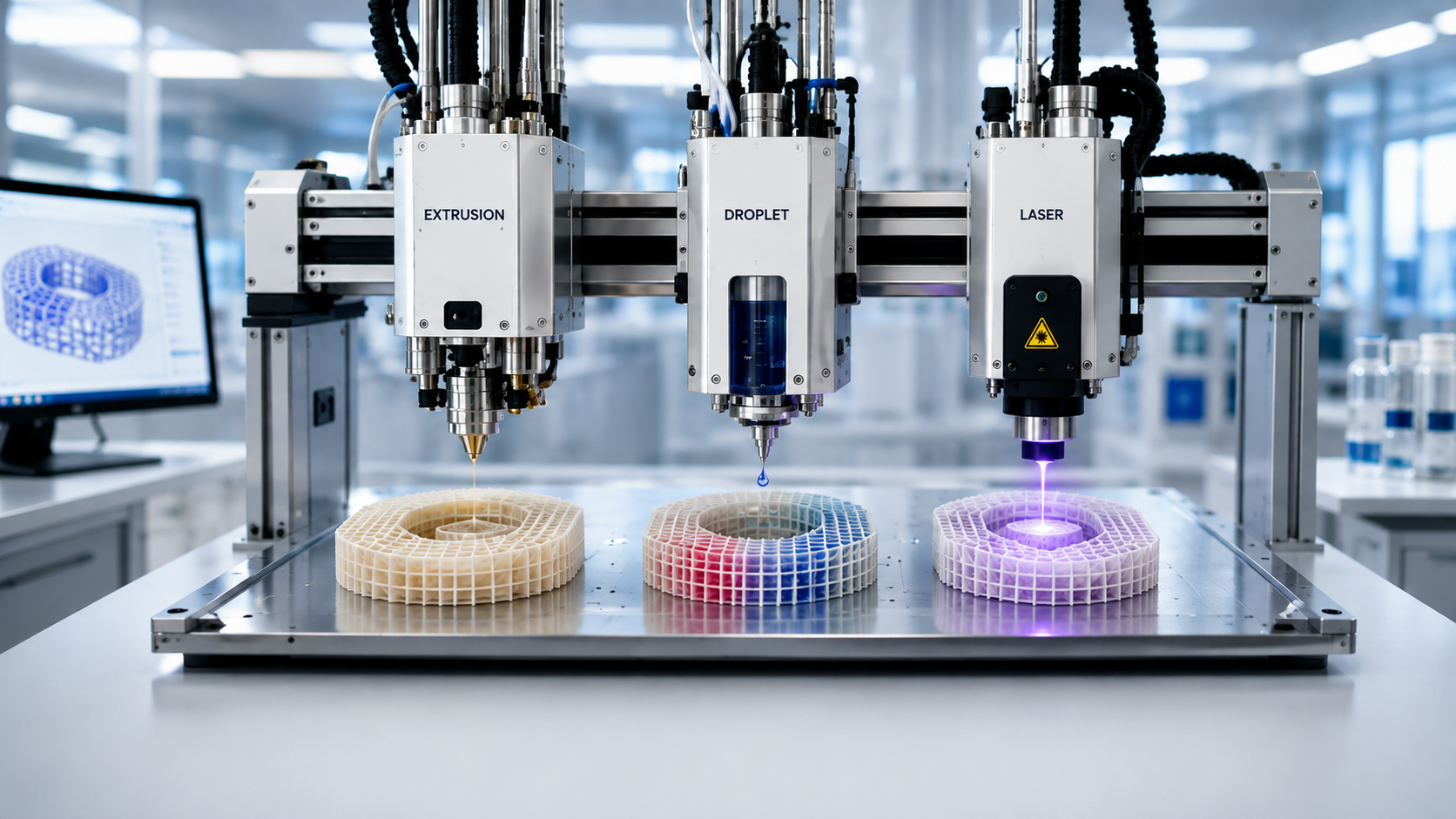
3D-CURE
Business Finland research connecting personalized medicines, controlled drug delivery, additive manufacturing, digital twins, in-process quality monitoring and future pharmaceutical regulation.
View project →3MF BIO
Open-source development of a bioprinting-oriented 3MF framework connecting geometry, materials, process parameters and regulatory-relevant metadata across digital manufacturing workflows.
View project →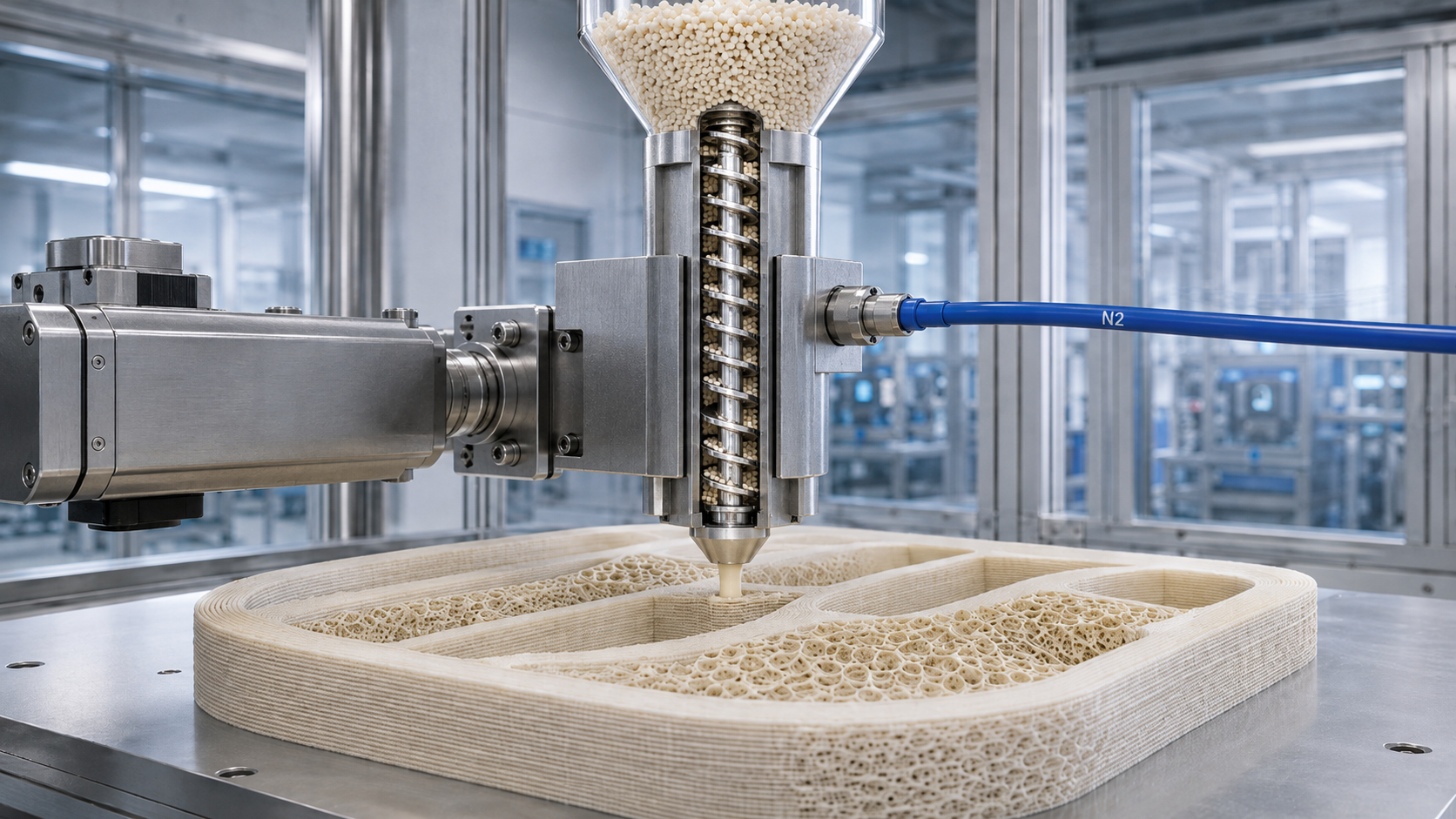
VITAL
European research advancing granulate-based additive manufacturing, foamed thermoplastic processing and digitally supported process development for more sustainable polymer manufacturing.
View project →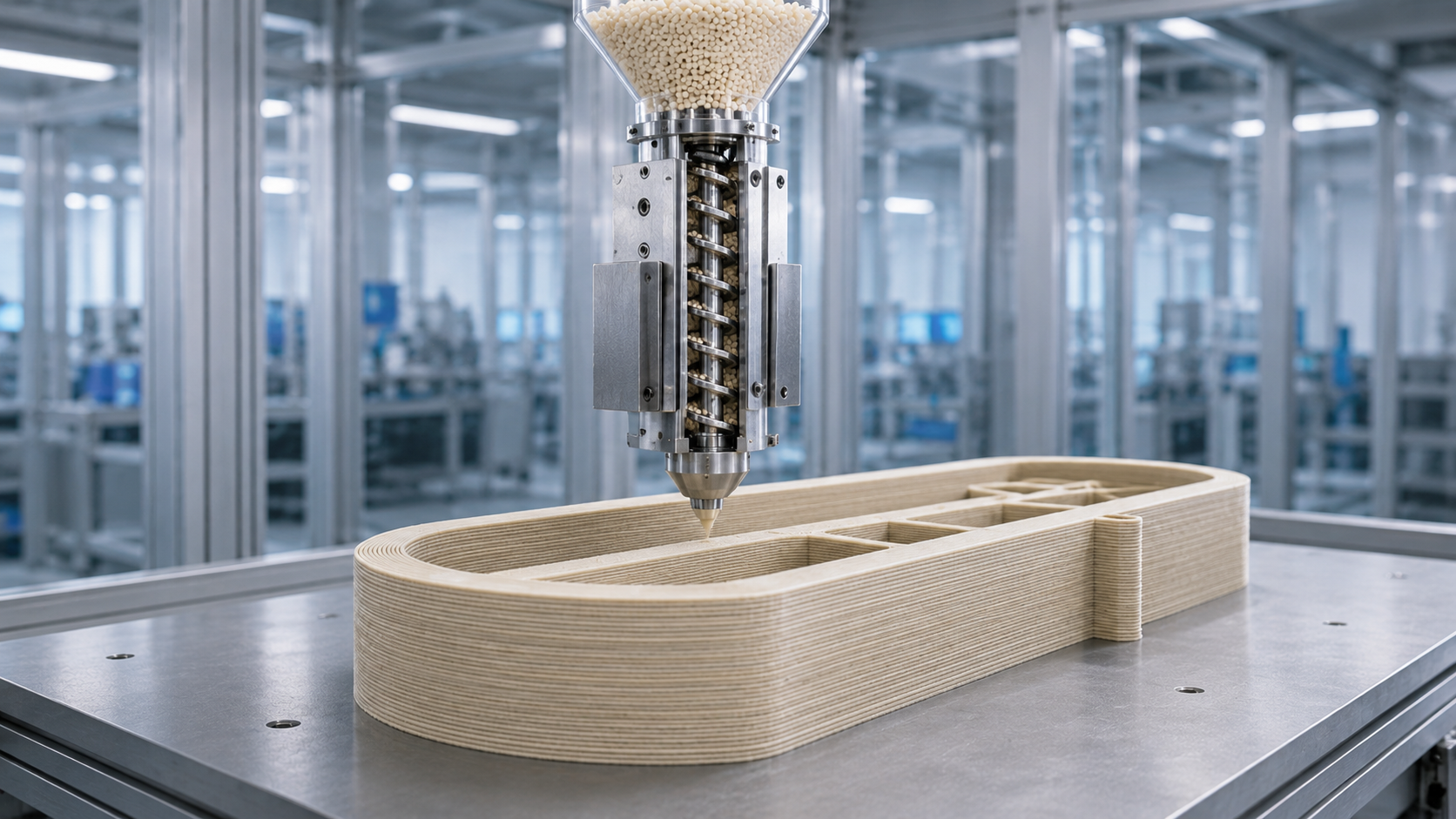
NOVUM
Horizon 2020 development of an automated pilot line for cellulose-based components, including large-scale fused granular fabrication and downstream manufacturing automation.
View project →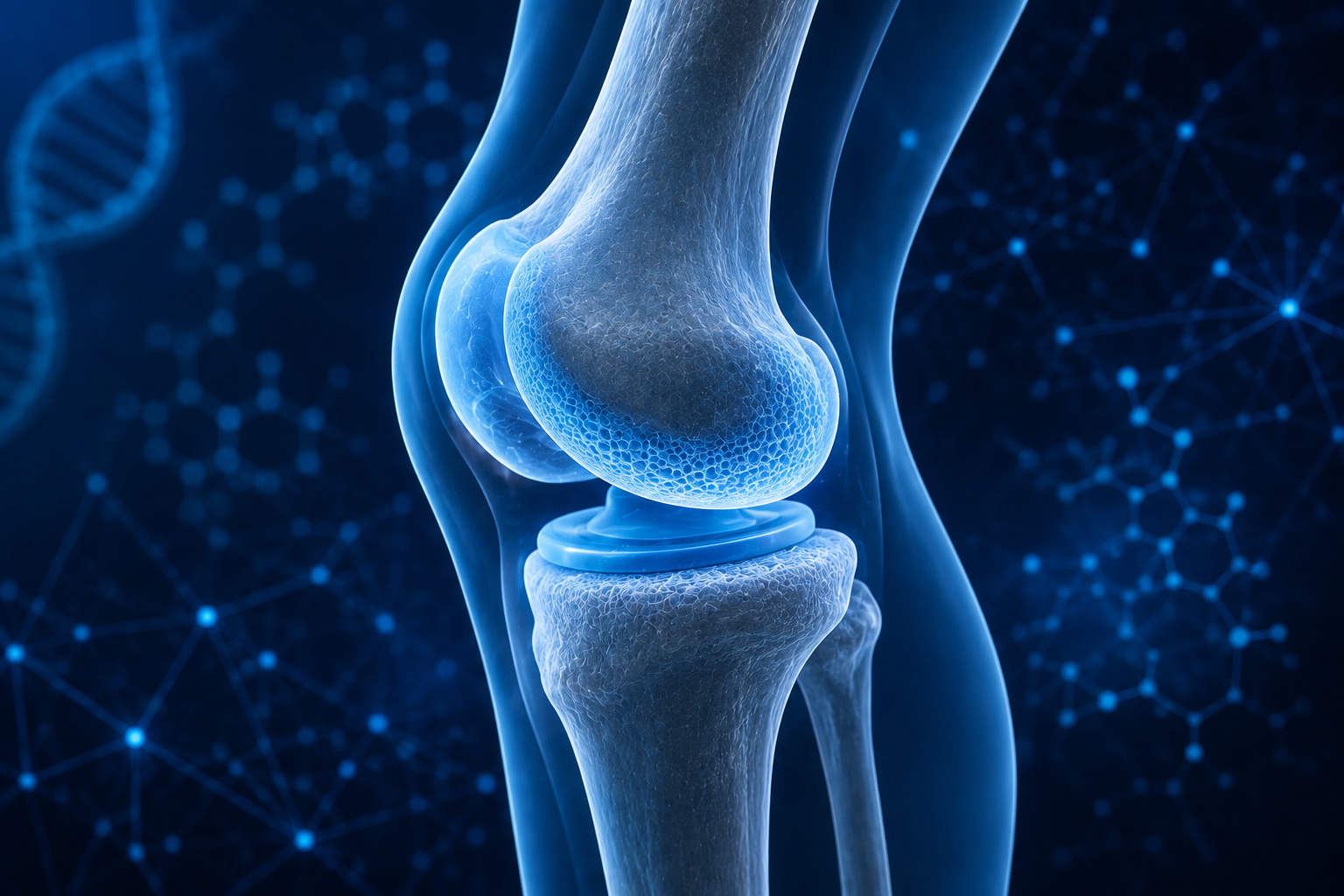
RESTORE
EU research advancing cartilage regeneration through nano-enabled bioinks and controlled 3D bioprinting. Brinter contributed platform and printhead development, including Visco Tool-based process work for cartilage biofabrication.
View project →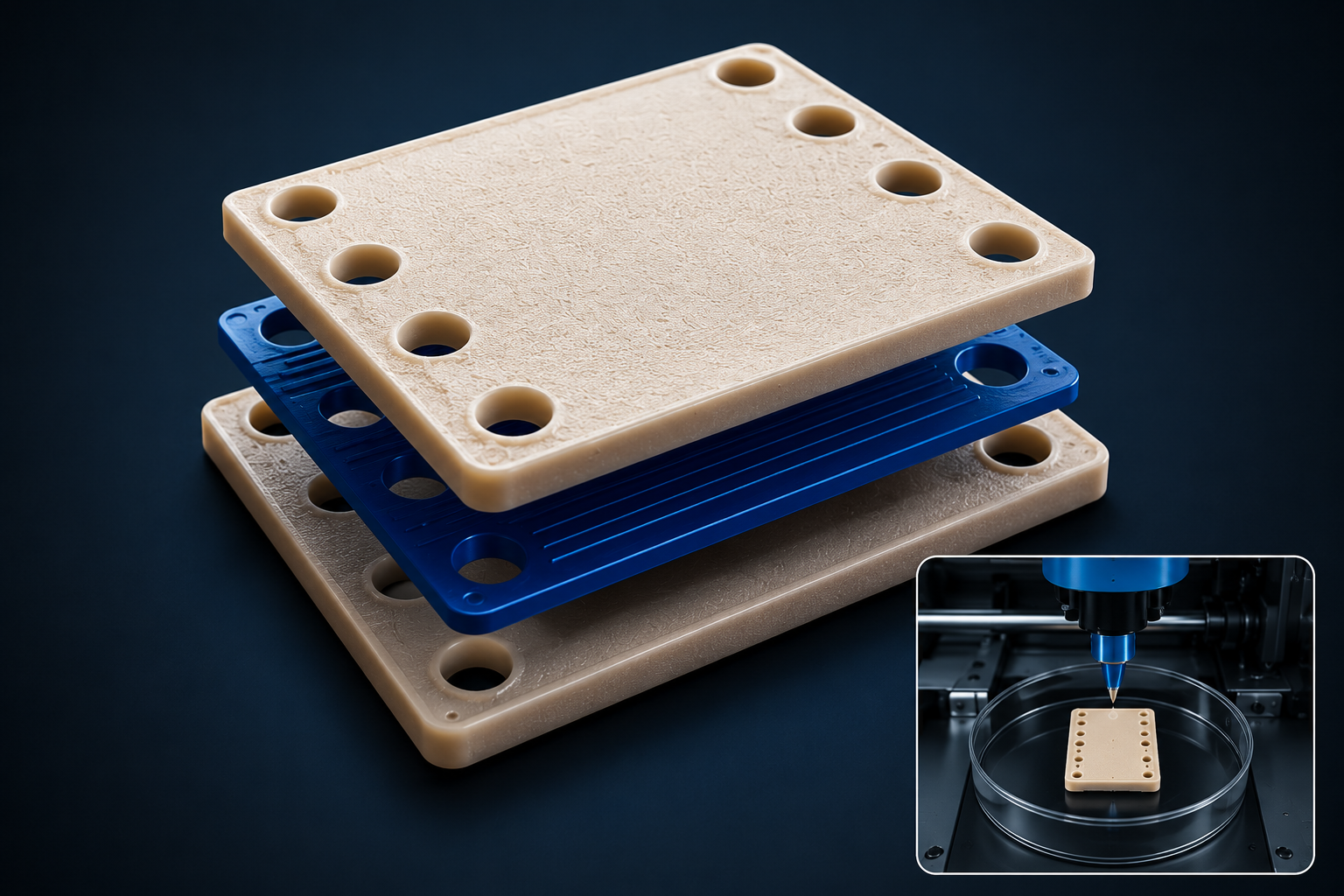
Brinter Inc.
Commercial translation of 3D bioprinting toward investigational regenerative implants — showing how advanced manufacturing technology can evolve from R&D into a tightly controlled medical-device production path.
Visit case ↗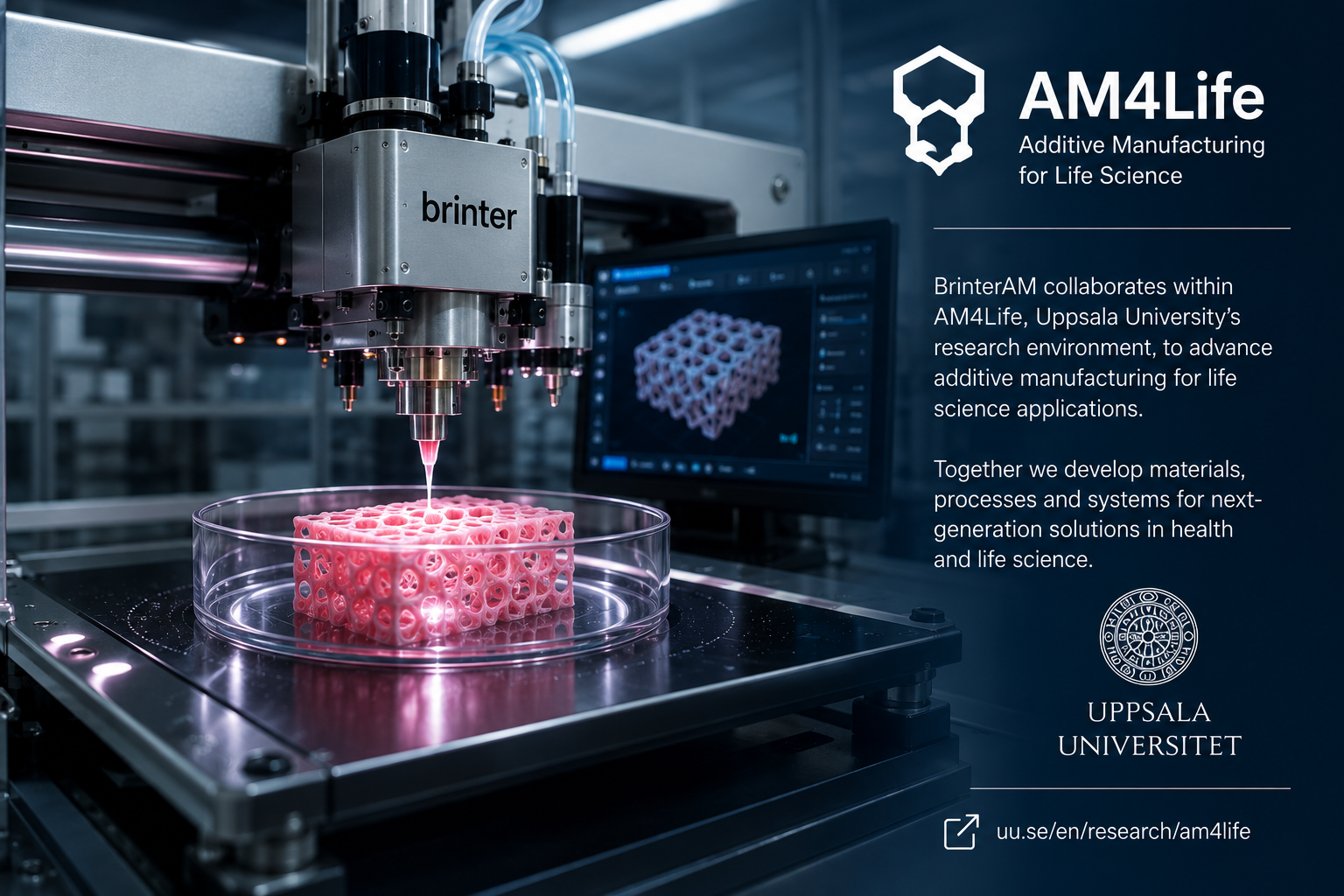
AM4Life
AM Technologies by Brinter collaborates within Uppsala University’s AM4Life research environment to advance additive manufacturing for life-science applications, including materials, processes and manufacturing systems for next-generation health solutions.
View project →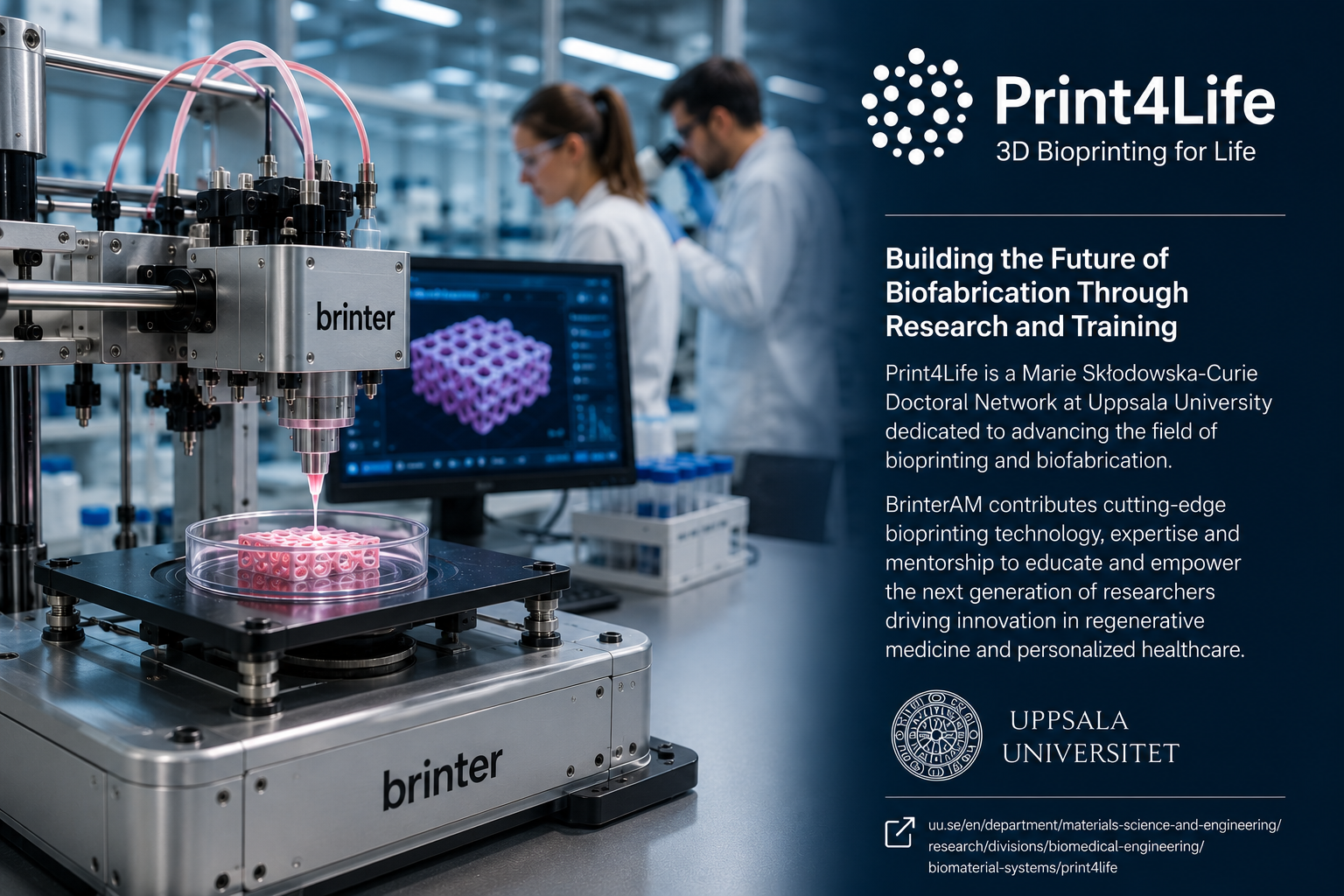
Print4Life
AM Technologies by Brinter contributes bioprinting technology and industrial expertise to Print4Life, a Marie Skłodowska-Curie Doctoral Network advancing biofabrication research and training the next generation of researchers.
View project →